2026 FAFSA Changes: 18% Boost for Middle-Income Aid
Anúncios
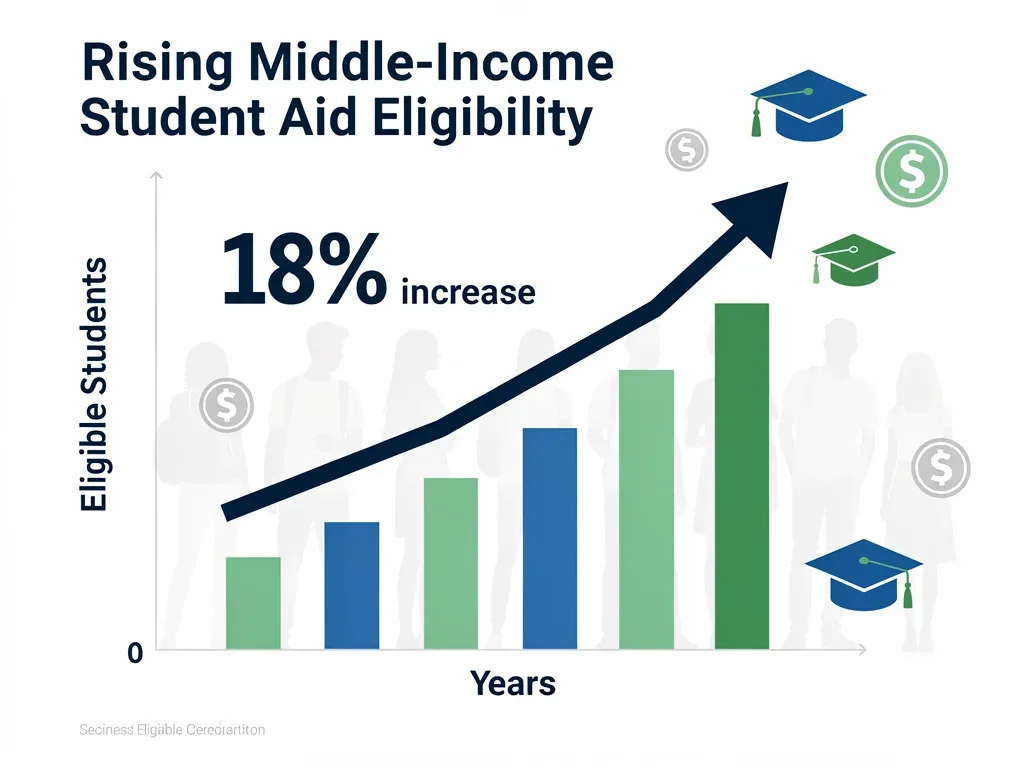
Paying for college often feels out of reach when your household earns too much for low-income grants yet struggles with rising tuition. Thanks to the 2026 FAFSA Changes, middle-income student aid eligibility is projected to jump by 18%.
Revised Student Aid Index (SAI) formulas and new exemptions for small-business and family-farm assets are reshaping federal financial assistance. These updates give thousands of families a fairer shot at need-based funding.
Wondering how these updated eligibility rules affect your college budget? Let’s break down the key facts, verified official sources, and what you need to monitor next.
Understanding the Core FAFSA Changes
The 2026 FAFSA formula adjustments are part of a broader overhaul initiated by the FAFSA Simplification Act, designed to streamline the application process and recalibrate aid eligibility. These changes aim to make federal student aid more transparent and responsive to current economic realities.
Key among these adjustments is the replacement of the Expected Family Contribution (EFC) with the Student Aid Index (SAI), a new metric intended to be a more accurate indicator of a family's ability to pay for college.
Anúncios
The SAI will simplify calculations and remove some barriers that previously prevented middle-income families from qualifying for aid.
These modifications are not merely cosmetic; they represent a fundamental shift in how financial need is assessed.
The intention is to create a more equitable system where federal aid is distributed to those who genuinely need it, including a significant segment of the middle-income population that has often been underserved.
The Shift from EFC to SAI
The transition from the Expected Family Contribution (EFC) to the Student Aid Index (SAI) is a cornerstone of the 2026 FAFSA formula adjustments. This change is more than just a name alteration; it fundamentally redefines how a family's financial strength is evaluated for federal student aid purposes.
Under the new SAI system, several factors are weighted differently, and some assets previously counted against families are now excluded. This revised methodology is expected to result in a lower SAI for many middle-income households, directly translating into increased eligibility for need-based aid.
Impact on Asset Protection Allowances
Increased asset protection allowances will shield more of a family's savings from being counted against them in the aid calculation.
Small business and farm assets will no longer be automatically included in the SAI calculation, a significant relief for many families.
The formula will account for more family expenses, such as the number of children in college, providing a more holistic view of financial need.
This comprehensive recalibration of asset assessment is a major reason why the 2026 FAFSA formula adjustments are projected to boost middle-income student aid eligibility by 18%, allowing more families to retain their savings while still qualifying for essential support.
Why Middle-Income Families Benefit
Historically, middle-income families often found themselves in a difficult position when applying for federal student aid. They earned too much to qualify for substantial assistance but not enough to comfortably afford the escalating costs of higher education without significant financial strain.
Anúncios
The 2026 FAFSA formula adjustments directly address this long-standing issue by adjusting income and asset thresholds. These revisions are specifically designed to expand the pool of eligible recipients, ensuring that a greater percentage of middle-income households can access federal grants, scholarships, and low-interest loans.
This targeted benefit aims to alleviate the financial burden on families who are working hard but struggling to save enough for college tuition, housing, and other educational expenses. The 18% increase in eligibility is a direct reflection of this deliberate effort to support a crucial demographic in the American economy.
Expanded Eligibility Thresholds
The expansion of eligibility thresholds under the 2026 FAFSA formula adjustments is a pivotal development for middle-income families. These new thresholds mean that families with incomes that previously disqualified them from significant aid will now find themselves within the qualifying range.
This adjustment is not just about income; it also considers family size and other dependents, providing a more nuanced and compassionate assessment of financial need. The aim is to ensure that a family's ability to pay is evaluated comprehensively, rather than relying on a rigid income cut-off that often penalized diligent savers.
The result is a more inclusive system that acknowledges the diverse financial circumstances of American families. It is this expanded eligibility that underpins the projected 18% increase in middle-income student aid, offering a lifeline to many.
Benefits for Diverse Middle-Income Households
Families with multiple children in college simultaneously will see greater benefits due to revised allowances.
Those with significant but illiquid assets, such as home equity or retirement accounts, will find the new formula more favorable.
Single-parent households and those with unusual financial circumstances may also experience improved aid eligibility.
The 2026 FAFSA formula adjustments are designed to be broadly beneficial, ensuring that a wide array of middle-income households can take advantage of the increased aid opportunities. This inclusive approach is critical for fostering educational equity.
Projected Impact on Aid Packages
The 18% increase in middle-income student aid eligibility is expected to translate into more robust financial aid packages for qualifying students. This doesn't just mean more students will receive aid; it also suggests that the amount of aid received by each eligible student could be more substantial.
For many families, this could mean the difference between choosing an affordable in-state option and pursuing their preferred institution, regardless of the higher price tag. The enhanced aid packages could cover a larger portion of tuition, fees, and living expenses, reducing the need for private loans with higher interest rates.
The ultimate goal of the 2026 FAFSA formula adjustments is to reduce student loan debt and make higher education more attainable. By bolstering aid for middle-income families, the hope is to create a more financially secure path to graduation for a broader segment of the student population.
Potential for Increased Grant Aid
A significant aspect of the projected impact on aid packages is the potential for increased grant aid. Unlike loans, grants do not need to be repaid, making them the most desirable form of financial assistance for students.
With more middle-income families qualifying for aid, there is an expectation that a greater number will also qualify for federal Pell Grants, which are typically reserved for students with the greatest financial need. The revised FAFSA formula aims to identify and support a wider range of such students.
This shift towards greater grant eligibility is a direct benefit of the 2026 FAFSA formula adjustments, significantly reducing the out-of-pocket costs for families and lowering the long-term financial burden of college. It underscores the commitment to making education accessible to all.
Reduced Reliance on Loans
Increased grant aid directly reduces the necessity for students to take out federal or private loans.
For those who still need loans, the amount required may be significantly less, leading to lower overall debt.
Families can also explore institutional aid and scholarships with a stronger foundation of federal support.
The overarching benefit of the 2026 FAFSA formula adjustments is to foster an environment where students can pursue their educational goals with less financial stress. Reduced reliance on loans is a key outcome of this strategic recalibration of aid eligibility.
Navigating the New FAFSA Process
While the 2026 FAFSA formula adjustments promise significant benefits, understanding and navigating the new application process will be crucial for families. The Department of Education has been working to simplify the form, but it is still essential for applicants to be well-informed.
The new FAFSA will feature fewer questions, and data will be more seamlessly integrated from IRS tax returns through direct data exchange. This simplification aims to reduce errors and make the application less daunting, especially for first-time applicants.
Despite the streamlined process, families should still prepare early, gather all necessary documentation, and familiarize themselves with the updated terminology and requirements. Proactive engagement will ensure that students can fully leverage the increased aid opportunities stemming from the 2026 FAFSA formula adjustments.
Key Changes in Application Procedure
The application procedure for the FAFSA will undergo several key changes as part of the 2026 FAFSA formula adjustments. Applicants will notice a more intuitive interface and a reduction in the time it takes to complete the form, aiming to minimize frustration and improve completion rates.
One notable change is the ability for all contributors to the student's education – including parents or spouses – to provide their information directly. This enhances security and ensures that all necessary financial data is accurately captured without requiring the student to handle sensitive family financial details.
These procedural improvements are designed to complement the formula changes, making the entire financial aid application experience more efficient and user-friendly. Families are encouraged to review official guidance as it becomes available to prepare for these updates.
Tips for a Smooth Application
Gather all tax documents, including W-2s and 1099s, well in advance of the application opening.
Create an FSA ID for both the student and all contributing parents/spouses to avoid last-minute delays.
Utilize the FAFSA Help resources provided by the Department of Education or college financial aid offices for assistance.
A proactive approach to the application process will ensure that families can capitalize on the enhanced middle-income student aid eligibility provided by the 2026 FAFSA formula adjustments. Early preparation is key to a successful financial aid outcome.
What the 18% Increase Really Means
The headline figure of an 18% increase in middle-income student aid eligibility is a powerful indicator of the positive shift occurring in federal financial aid policy. However, it's important to delve deeper into what this percentage truly signifies for individual families and the broader educational landscape.
This increase means that a substantial number of families who previously received little to no federal aid will now qualify for some form of assistance. For others, it could mean receiving larger grants or more favorable loan terms, significantly easing the financial burden of college.
The 2026 FAFSA formula adjustments are not just about a numerical increment; they represent a policy commitment to supporting a demographic that has often felt squeezed out of the financial aid system. This enhanced eligibility can empower more students to pursue higher education without incurring overwhelming debt.
Real-World Scenarios and Examples
To illustrate the practical implications of the 18% increase in middle-income student aid eligibility, consider a family earning around $100,000 annually with one child attending a public university. Under previous FAFSA rules, they might have qualified for minimal grant aid or primarily federal loans.
With the 2026 FAFSA formula adjustments, this same family could see their Student Aid Index (SAI) decrease, making them eligible for a larger Pell Grant or other institutional aid programs tied to federal eligibility. This direct financial benefit translates into thousands of dollars saved over the course of a four-year degree.
Another example involves a family with significant retirement savings but moderate income. The new asset protection allowances within the 2026 FAFSA formula adjustments would shield more of their retirement funds, allowing them to qualify for aid without depleting their long-term security. These real-world scenarios highlight the tangible benefits.
Long-Term Economic and Social Benefits
Increased college enrollment rates for middle-income students, fostering a more educated workforce.
Reduced student loan debt, leading to greater financial stability for graduates and their families.
Enhanced social mobility and economic equity by making higher education more accessible.
The long-term effects of the 2026 FAFSA formula adjustments extend beyond individual families, contributing to a more robust and equitable society. The 18% increase in eligibility is a catalyst for these profound positive changes.

Preparation for the 2026-2027 Aid Cycle
As the 2026-2027 aid cycle approaches, proactive preparation is paramount for families seeking to benefit from the 2026 FAFSA formula adjustments. While the official application period is still some time away, understanding the upcoming changes can provide a significant advantage.
Families should begin by reviewing their current financial situation and projecting how the new SAI calculation might affect their eligibility. Resources from the Department of Education and college financial aid offices will become increasingly available to help with this assessment.
Staying informed about official announcements and deadlines will be crucial. The federal student aid website (StudentAid.gov) is the primary source for the most up-to-date information regarding the 2026 FAFSA formula adjustments and the application process.
Key Dates and Information Sources
While specific dates for the 2026-2027 FAFSA cycle are yet to be finalized, families should anticipate the application opening in October 2025. It is always advisable to submit the FAFSA as early as possible after it becomes available, as some aid is awarded on a first-come, first-served basis.
Official information regarding the 2026 FAFSA formula adjustments will be continuously updated on StudentAid.gov. This website offers comprehensive guides, FAQs, and tools to help families understand the new process and maximize their aid eligibility.
Additionally, college financial aid offices are invaluable resources. They can provide personalized guidance and clarify how the federal changes interact with institutional aid policies. Engaging with these sources will be key for navigating the upcoming aid cycle effectively.
Financial Planning Strategies
Review current savings and investment strategies to align with the new asset protection allowances.
Consult with a financial advisor to understand the specific impact of the 2026 FAFSA formula adjustments on your family's financial profile.
Begin collecting necessary tax documents and income statements well in advance to streamline the application process.
Effective financial planning in anticipation of the 2026 FAFSA formula adjustments can significantly enhance a family's ability to secure the maximum possible student aid. Proactivity in this area will pay dividends.
Challenges and Considerations Ahead
While the 2026 FAFSA formula adjustments are largely viewed as positive, particularly for middle-income families, some challenges and considerations remain. The implementation of such a significant overhaul can present complexities, and families should be prepared for potential adjustments or clarifications.
One consideration is the potential for increased demand for federal aid due to broader eligibility. While the overall pool of funds is substantial, an influx of newly eligible students could still lead to competitive scenarios for certain types of aid, especially those with limited allocations.
Furthermore, colleges and universities will also need to adapt their internal financial aid packaging strategies to align with the new federal guidelines. This transition period may involve some initial learning curves for all parties involved, underscoring the need for clear communication and ongoing support.
Ensuring Smooth Implementation
The Department of Education faces the critical task of ensuring a smooth implementation of the 2026 FAFSA formula adjustments. This includes robust communication campaigns to inform families and institutions, as well as providing adequate training and technical support.
Any new system, no matter how well-intentioned, can encounter unforeseen issues during its initial rollout. Therefore, ongoing monitoring and responsiveness to feedback will be essential to refine the process and address any emerging challenges effectively.
Families should remain vigilant for official updates and be prepared to seek assistance if they encounter difficulties during the application process. A collaborative effort from all stakeholders will be necessary to fully realize the benefits of the 2026 FAFSA formula adjustments.
Potential for Further Refinements
The Department of Education may issue further guidance or minor adjustments to the formula based on initial feedback and data.
Advocacy groups will continue to monitor the impact on various student populations, potentially leading to future legislative considerations.
Colleges may adjust their institutional aid strategies to complement the federal changes, creating new opportunities or challenges.
The landscape of federal student aid is dynamic, and while the 2026 FAFSA formula adjustments are a major step, they may not be the final word. Families should stay informed about potential future refinements.
Expert Perspectives on the FAFSA Overhaul
Financial aid experts and education policy analysts have largely welcomed the 2026 FAFSA formula adjustments, recognizing their potential to significantly improve college access for middle-income students. Many view these changes as a long-overdue modernization of a system that had become increasingly complex and exclusionary.
According to leading voices in higher education finance, the 18% increase in middle-income student aid eligibility is a direct response to years of advocacy for a more equitable distribution of federal resources. They emphasize that this shift will not only benefit individual students but also contribute to a more diverse and skilled workforce.
However, experts also caution that the success of these adjustments will depend on effective communication and robust support systems for applicants. Ensuring that families understand the new process and can easily access help will be crucial to maximizing the positive impact of the reforms.
Analyst Insights on Economic Impact
Economists studying higher education finance anticipate that the 2026 FAFSA formula adjustments will have a noticeable economic impact, particularly by reducing the financial strain on middle-income households. The potential for lower student loan debt could free up disposable income for other investments later in life.
Moreover, increasing access to higher education for a broader segment of the population can lead to higher earning potentials, contributing to overall economic growth. The 18% increase in eligibility is seen as an investment in human capital, yielding long-term societal benefits.
Analysts also point to the potential for reduced dependence on predatory private loans as families find more robust support through federal aid. This shift can protect families from high-interest debt and provide a more secure financial foundation for students post-graduation.
Recommendations for Stakeholders
Colleges and universities should proactively update their financial aid resources and staff training to align with the new FAFSA.
High school counselors should prioritize educating students and parents about the upcoming changes and application process.
Policymakers should monitor the impact of the 2026 FAFSA formula adjustments and be prepared to make further refinements if necessary.
The collective effort of all stakeholders is vital to ensure that the promise of the 2026 FAFSA formula adjustments translates into tangible benefits for students and families across the nation. Collaboration will be key to navigating this significant reform.
Key Change | Description of Impact |
|---|---|
EFC to SAI Shift | Replaces Expected Family Contribution with Student Aid Index for fairer assessment. |
Middle-Income Eligibility | Projected 18% increase in aid eligibility for middle-income families. |
Asset Protection | Increased allowances for assets, shielding more family savings. |
Simplified Application | Fewer questions and direct data exchange with IRS for ease of use. |
Frequently Asked Questions About 2026 FAFSA Adjustments
What is the primary goal of the 2026 FAFSA formula adjustments?▼
The primary goal is to simplify the financial aid application process and make federal student aid more accessible and equitable. These adjustments aim to broaden eligibility, especially for middle-income families, ensuring that financial need is assessed more accurately and comprehensively.
How will the shift from EFC to SAI impact aid eligibility?▼
The Student Aid Index (SAI) replaces the Expected Family Contribution (EFC) and is designed to be a more accurate measure of a family's ability to pay. This change will likely result in lower SAIs for many middle-income families, directly increasing their eligibility for various forms of federal student aid, including grants.
Which assets will be treated differently under the new FAFSA formula?▼
The 2026 FAFSA formula adjustments include increased asset protection allowances, meaning more of a family's savings will be shielded. Notably, small business and farm assets will no longer be automatically included in the SAI calculation, benefiting many self-employed or agricultural families.
When should families start preparing for the 2026-2027 FAFSA cycle?▼
Families should begin preparing now by gathering tax documents and creating FSA IDs. Although the application for the 2026-2027 cycle typically opens in October 2025, understanding the upcoming changes and organizing financial information beforehand will ensure a smoother and more efficient application process.
Will the 2026 FAFSA formula adjustments reduce the need for student loans?▼
Yes, by increasing eligibility for grants and other forms of need-based aid, the adjustments are expected to reduce the overall reliance on student loans. This means more students could receive non-repayable aid, leading to lower post-graduation debt and greater financial stability for families.
Impact and Implications
The 2026 FAFSA formula adjustments represent a pivotal moment in federal student aid policy, significantly altering how middle-income families access higher education funding. The projected 18% increase in eligibility is a clear signal of a more inclusive and responsive system.
As these changes roll out, it will be crucial to monitor their real-world impact on college enrollment, student debt levels, and educational equity across the United States. The success of this overhaul hinges on effective communication and robust support for applicants navigating the new landscape.
Ultimately, the aim is to empower more students from middle-income backgrounds to pursue their academic aspirations without prohibitive financial barriers. This forward-looking reform seeks to strengthen the nation's human capital and foster a more educated and economically stable society for years to come.