New Legislation 2026: Federal Bill Expands Affordable Healthcare
Anúncios
New Legislation in 2026: Federal Government Passes Bill to Expand Access to Affordable Healthcare for 10 Million Uninsured Americans marks a monumental shift in the national healthcare landscape.
This straightforward news brief outlines the provisions of the newly enacted Affordable Healthcare Expansion Bill, prioritizing what changed, why it matters, and what federal policy adjustments households need to monitor next to navigate these expanding benefits.
Understanding the Affordable Healthcare Expansion Bill
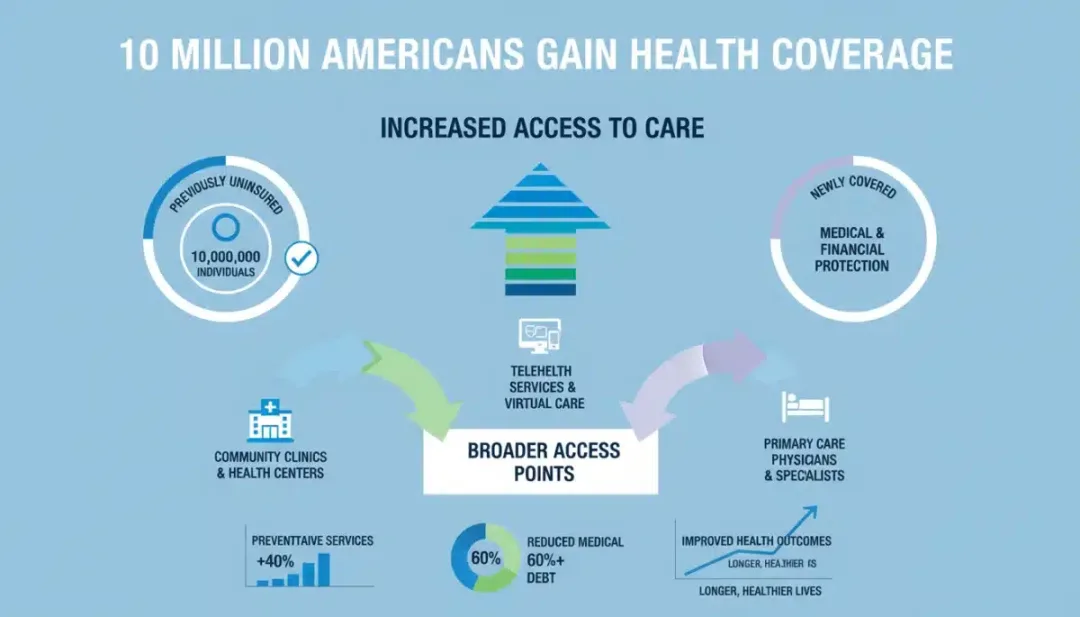
The Federal Government’s Affordable Healthcare Expansion Bill, passed in 2026, is a comprehensive piece of legislation targeting the approximately 10 million Americans currently without health insurance.
This bill introduces a multifaceted approach to coverage expansion, focusing on subsidies, broadened eligibility criteria, and enhanced state programs.
Its core objective is to ensure that essential healthcare services are not a privilege but a right for all citizens.
Anúncios
The new measures are expected to alleviate financial strain on families and individuals who have previously struggled to afford necessary medical care.
The bill’s framework includes significant federal investment, aiming to integrate more uninsured populations into existing healthcare systems while also developing new pathways for access.
This strategic move is poised to have far-reaching economic and social implications.
Key Provisions and Eligibility Criteria
The Affordable Healthcare Expansion Bill outlines several key provisions that directly address the barriers to healthcare access.
These include increased federal subsidies for health insurance premiums on the marketplace, making plans more affordable for low- and middle-income families.
Eligibility criteria for Medicaid have also been expanded in participating states, bringing more individuals under the umbrella of federal and state-funded programs.
Furthermore, the bill introduces new incentives for states to adopt these expanded Medicaid guidelines, encouraging broader participation.
Anúncios
The legislation also mandates a review of current healthcare pricing practices to identify areas for cost reduction and efficiency. This aims to ensure that the expanded access is sustainable and truly affordable for the long term.
- Increased federal subsidies for health insurance marketplace plans.
- Expanded Medicaid eligibility in participating states, with federal incentives.
- New mandates for coverage of preventative health services without co-pays.
- Caps on out-of-pocket expenses for certain medical conditions.
These provisions collectively aim to create a more inclusive and financially manageable healthcare system for those currently underserved. The emphasis is on reducing upfront costs and protecting individuals from catastrophic medical bills.
Projected Impact on Uninsured Americans
The direct impact of the Affordable Healthcare Expansion Bill is projected to be profound for the 10 million uninsured Americans it targets.
Many who previously faced impossible choices between medical care and other necessities will now have viable options for coverage.
This expanded access is expected to lead to improved health outcomes, as more individuals will be able to seek preventative care and address chronic conditions before they become critical.
The reduction in emergency room visits for non-urgent care is also a anticipated benefit.
Economically, the bill is anticipated to reduce medical debt and improve financial stability for millions of households. Studies from various think tanks suggest a significant decrease in personal bankruptcies due to medical expenses.
Regional Disparities and Targeted Outreach
While the Affordable Healthcare Expansion Bill is a federal initiative, its impact will vary across different states and regions.
States that have historically high rates of uninsured residents are expected to see the most dramatic improvements in coverage.
Targeted outreach programs are being developed to inform eligible individuals about their new options and assist them with the enrollment process.
These efforts are crucial for ensuring that the benefits of the legislation reach those who need it most.
The Federal Government is collaborating with state health departments and community organizations to facilitate enrollment and provide educational resources.
This coordinated approach aims to overcome potential logistical hurdles and maximize the bill’s effectiveness.
- Significant improvements in coverage expected in states with high uninsured rates.
- Collaborative federal-state outreach programs for enrollment assistance.
- Focus on rural and underserved communities to bridge existing healthcare gaps.
- Development of multilingual resources to reach diverse populations.
Addressing regional disparities is a key component of the implementation strategy, acknowledging that a one-size-fits-all approach is insufficient. Localized efforts will be essential for successful integration of the newly insured into the healthcare system.
Funding Mechanisms and Economic Implications
The Affordable Healthcare Expansion Bill is backed by a robust funding mechanism, primarily through a combination of federal appropriations and adjustments to existing tax revenues.
The Congressional Budget Office (CBO) has released projections detailing the budget impact, indicating a substantial, yet managed, increase in federal spending on healthcare.
Economically, proponents argue that the long-term benefits of a healthier workforce and reduced medical debt will outweigh the initial costs.
Increased preventative care is expected to lead to fewer costly emergency interventions and hospitalizations, generating savings in the broader healthcare system.
The legislation also includes provisions for negotiating prescription drug prices, which is anticipated to generate additional savings that can be reinvested into expanding coverage.
This direct intervention aims to curb one of the fastest-growing components of healthcare expenditures.
Challenges in Implementation and Oversight
Implementing a bill of this magnitude, particularly one that affects millions of Americans, presents significant challenges.
Coordinating efforts between federal, state, and local agencies will require meticulous planning and continuous oversight to ensure smooth transitions and effective service delivery.
Ensuring that healthcare providers can adequately absorb the influx of new patients is another critical consideration, requiring investments in workforce development and infrastructure.
The Federal Government has allocated funds for expanding primary care facilities and training new healthcare professionals.
Ongoing monitoring and evaluation will be essential to track the bill’s effectiveness, identify any unintended consequences, and make necessary adjustments.
Transparency in reporting progress and challenges will be paramount for maintaining public trust.
- Complex coordination required across multiple governmental levels.
- Need for significant investment in healthcare infrastructure and workforce.
- Continuous monitoring and evaluation to ensure desired outcomes.
- Addressing potential provider shortages in newly covered areas.
The success of the Affordable Healthcare Expansion Bill hinges on its effective implementation and the ability of oversight bodies to adapt to evolving circumstances. The initial phase will be crucial in setting the precedent for long-term success.
Enhancing Preventative Care and Public Health
A significant focus of the Affordable Healthcare Expansion Bill is the enhancement of preventative care services.
By making preventative screenings, vaccinations, and wellness visits more accessible and often free, the legislation aims to shift the healthcare paradigm from reactive treatment to proactive health management.
This emphasis on prevention is expected to lead to a healthier population overall, reducing the incidence of chronic diseases and improving the quality of life for many.
Public health initiatives will be bolstered by increased funding and broader reach, especially in underserved communities.
The bill also supports programs aimed at addressing social determinants of health, recognizing that factors like housing, nutrition, and education play a critical role in overall well-being. This holistic approach is a cornerstone of the new legislation.
Impact on Healthcare Providers and Systems
Healthcare providers and systems will experience substantial changes as a result of the Affordable Healthcare Expansion Bill.
The anticipated increase in patient volume will necessitate adjustments in staffing, facility capacity, and administrative processes.
Many providers are already preparing for this shift by investing in telehealth infrastructure and expanding their networks.
The legislation includes provisions to support these adaptations, offering grants and incentives for practices that embrace new models of care delivery.
The bill also encourages the adoption of value-based care models, where providers are reimbursed based on patient outcomes rather than the volume of services. This aims to incentivize high-quality, efficient care across the system.
- Increased patient volume requiring adjustments in staffing and capacity.
- Support for telehealth expansion and innovative care delivery models.
- Shift towards value-based care reimbursement systems.
- Opportunities for new clinics and healthcare facilities in high-need areas.
The healthcare industry is bracing for a transformative period, with both challenges and opportunities arising from the expanded coverage. Adaptability and innovation will be key for providers navigating this new landscape.
Addressing Mental Health and Substance Use Disorders
Crucially, the Affordable Healthcare Expansion Bill places a strong emphasis on mental health and substance use disorder treatment.
Recognizing these as integral components of overall health, the legislation mandates that coverage for these services be on par with physical health coverage, addressing long-standing disparities.
This parity requirement means that individuals seeking care for mental health or addiction will no longer face higher co-pays, stricter limits, or narrower networks compared to those needing physical health services.
This is a significant win for advocates in these fields.
New funding has been allocated to expand access to mental health professionals and treatment facilities, particularly in areas with critical shortages. The goal is to integrate mental health care more seamlessly into primary care settings.
Consumer Protections and Patient Rights
The Affordable Healthcare Expansion Bill also strengthens consumer protections and patient rights.
It prohibits insurance companies from denying coverage or charging higher premiums based on pre-existing conditions, a cornerstone of previous healthcare reforms.
Patients will have enhanced rights regarding access to their medical records and clearer processes for appealing insurance denials.
The bill also establishes new mechanisms for reporting and addressing patient complaints, ensuring greater accountability from insurers and providers.
Furthermore, limits on annual and lifetime caps for essential health benefits are reinforced, providing financial security for individuals facing serious or chronic illnesses.
These protections are designed to empower patients and safeguard their access to necessary care.
- Mandated parity for mental health and substance use disorder treatment.
- Increased funding for mental health professionals and facilities.
- Prohibition of denial or higher premiums based on pre-existing conditions.
- Enhanced patient rights regarding medical records and appeals processes.
These provisions ensure that as access expands, the quality and fairness of coverage also improve. The legislation aims to build a healthcare system that is not only accessible but also equitable and responsive to patient needs.
Future Outlook and Long-Term Sustainability
The long-term sustainability of the Affordable Healthcare Expansion Bill is a key consideration for policymakers and the public.
Initial projections indicate that while the federal investment is substantial, the economic benefits from a healthier populace and reduced emergency care costs could partially offset these expenditures over time.
Ongoing debates will likely focus on optimizing funding sources and ensuring that the healthcare system can adapt to evolving needs and technological advancements.
Regular reviews and potential legislative adjustments are anticipated to maintain the bill’s effectiveness.
The success of this legislation will also depend on public engagement and continuous advocacy from various stakeholders. Sustained political will and broad societal support will be crucial for its enduring impact.
Political Landscape and Bipartisan Support
The passage of the Affordable Healthcare Expansion Bill, while a significant achievement, occurred within a dynamic political landscape.
While it garnered substantial support, legislative debates highlighted various perspectives on the role of government in healthcare and the best approaches to affordability.
Ongoing bipartisan cooperation will be essential for the bill’s sustained success and any future refinements.
The initial passage signals a degree of consensus on the urgent need to address the uninsured population, but implementation details may still invite political discussion.
Future elections and shifts in governmental priorities could influence the trajectory of this legislation.
However, the immediate focus remains on executing the bill’s provisions effectively and demonstrating its tangible benefits to the American public.
- Long-term sustainability relies on economic benefits and optimized funding.
- Anticipated regular reviews and potential legislative adjustments.
- Crucial role of public engagement and sustained political will.
- Ongoing bipartisan cooperation vital for continued success and refinements.
The political journey of the Affordable Healthcare Expansion Bill is far from over, with its long-term future depending on a delicate balance of economic realities, public opinion, and political consensus. Its initial passage is a powerful statement of intent.

Public Reaction and Advocacy Efforts
The announcement of the Affordable Healthcare Expansion Bill has elicited a wide range of public reactions across the United States.
Many advocacy groups for healthcare access have lauded the legislation as a crucial step forward, praising its potential to alleviate suffering and financial hardship for millions.
Patient organizations and medical associations have expressed optimism about the bill’s provisions for preventative care and mental health services.
They anticipate a significant improvement in public health metrics and a reduction in health disparities.
Conversely, some groups have raised concerns about the fiscal implications and the potential for increased government involvement in healthcare. These discussions are part of the ongoing national conversation about healthcare reform.
What it Means for Businesses and Employers
The Affordable Healthcare Expansion Bill will also have implications for businesses and employers.
While not directly imposing new mandates on all businesses, the expanded marketplace options and enhanced subsidies may influence how some employers approach their benefits offerings.
Smaller businesses, in particular, may find that their employees have more affordable healthcare options outside of employer-sponsored plans, potentially easing some administrative burdens.
Larger corporations will continue to navigate the existing regulatory landscape, which may see subtle shifts due to the broader market changes.
The overall reduction in the uninsured population could also lead to a healthier workforce, potentially reducing absenteeism and increasing productivity.
Businesses are advised to review the specific details of the bill and consult with benefits experts to understand its full impact.
- Healthcare advocacy groups commend the bill’s potential impact.
- Patient organizations anticipate improved public health and reduced disparities.
- Concerns raised by some groups regarding fiscal implications and government role.
- Businesses may see changes in employee benefit strategies due to expanded options.
The public reaction to the Affordable Healthcare Expansion Bill underscores the deep societal impact of healthcare policy. Its success will be measured not only by statistics but also by the tangible improvements in the lives of American citizens.
Preparing for Enrollment and Access
With the Affordable Healthcare Expansion Bill now law, a critical next phase involves preparing individuals for enrollment and ensuring seamless access to new benefits.
Federal and state agencies are collaborating on comprehensive public awareness campaigns, designed to inform eligible individuals about their new healthcare options.
These campaigns will utilize various channels, including digital platforms, community events, and partnerships with local organizations, to reach diverse populations.
The goal is to simplify the enrollment process and demystify the complexities of healthcare insurance.
Dedicated navigators and assistance programs will be available to help individuals understand their eligibility, compare plans, and complete applications. This support infrastructure is vital for maximizing the bill’s reach and impact.
Key Dates and Resources for the Public
For individuals looking to benefit from the Affordable Healthcare Expansion Bill, several key dates and resources are important to note.
Open enrollment periods for expanded marketplace plans will be widely publicized, providing specific windows for signing up.
Official government websites and dedicated helplines will serve as primary sources of information, offering detailed guides, FAQs, and direct assistance.
It is crucial for prospective enrollees to rely on these verified sources to avoid misinformation.
Community health centers and local social service agencies are also being equipped with resources to assist residents. These local touchpoints will play a significant role in guiding individuals through the new healthcare landscape.
- Comprehensive public awareness campaigns for enrollment preparation.
- Utilization of digital platforms and community partnerships for outreach.
- Availability of navigators and assistance programs for enrollment support.
- Key dates and official government resources for accurate information.
The success of the Affordable Healthcare Expansion Bill ultimately depends on how effectively individuals can access and utilize the new opportunities. Proactive engagement and informed decision-making on the part of the public will be paramount.
| Key Point | Brief Description |
|---|---|
| Coverage Expansion | Bill expands affordable healthcare to 10 million uninsured Americans. |
| Funding & Subsidies | Increased federal subsidies and Medicaid expansion for affordability. |
| Preventative Care | Strong emphasis on preventative services, mental health, and substance use. |
| Implementation | Coordinated federal-state efforts for enrollment and provider adaptation. |
Frequently Asked Questions About the New Healthcare Bill
What is the primary goal of the New Legislation in 2026: Federal Government Passes Bill to Expand Access to Affordable Healthcare for 10 Million Uninsured Americans.?▼The main objective of this landmark bill is to significantly reduce the number of uninsured Americans by providing expanded access to affordable healthcare options. It focuses on making health insurance more accessible and financially manageable for millions of individuals and families across the nation.
How will this bill make healthcare more affordable?▼The legislation introduces increased federal subsidies for health insurance marketplace plans and expands eligibility for Medicaid in participating states. These measures are designed to lower premium costs and out-of-pocket expenses, making essential healthcare services more within reach for those currently uninsured.
Who specifically benefits from this Affordable Healthcare Expansion Bill?▼Approximately 10 million uninsured Americans are targeted to gain coverage through this new legislation. This includes low- and middle-income individuals and families who previously faced financial barriers to obtaining health insurance, as well as those in states expanding Medicaid.
What role will states play in the implementation of the New Legislation in 2026: Federal Government Passes Bill to Expand Access to Affordable Healthcare for 10 Million Uninsured Americans.?▼States are crucial partners in the implementation, particularly regarding Medicaid expansion and localized outreach efforts. The Federal Government offers incentives for states to adopt expanded guidelines and collaborates with state health departments to ensure effective enrollment and service delivery across various regions.
What are the long-term expectations for public health?▼The bill emphasizes preventative care, mental health parity, and addressing social determinants of health. Long-term expectations include improved overall public health outcomes, reduced rates of chronic diseases, and better management of mental health and substance use disorders across the United States.
Conclusion: Impact and Implications
The Affordable Healthcare Expansion Bill signals a significant shift in national health policy, aiming to solidify healthcare as a fundamental right.
Its wide-ranging provisions will transform access for millions, reshaping the responsibilities of federal and state governments, healthcare providers, and individual citizens.
To review the complete legislative text, tracking status, and full list of co-sponsors shaping this framework, you can access the official tracker for Senate Bill 46 on Congress.gov.
The coming months will be critical for observing how these expanding guidelines translate into tangible benefits and how the healthcare sector adapts to this monumental legislative change, setting a new course for the nation’s health future.