Federal Trade Commission Announces Sweeping Ban on Deceptive Hidden Fees Starting Next Month
Anúncios
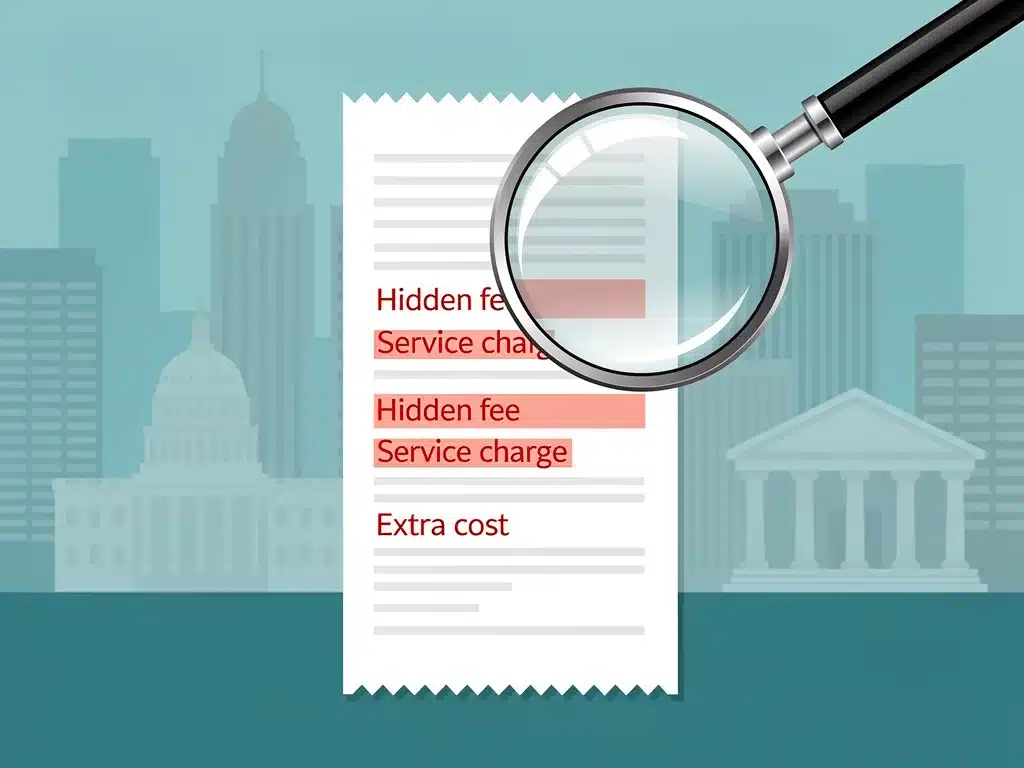
Tired of surprise checkout costs ruining your budget? The decision where the FTC Bans Hidden Fees is setting a new standard for transparent pricing across the nation.
Starting next month, companies must display total costs upfront rather than tacking on surprise charges at the final payment screen.
This landmark regulatory shift eliminates deceptive drip pricing across short-term lodging, event ticketing, and everyday digital purchases. Businesses will no longer be allowed to mask mandatory surcharges or resort add-ons as optional fees during customer checkout.
Anúncios
For everyday buyers, this means comparing prices accurately without calculating secret add-ons at the last minute. Here is everything you need to know about navigating these updated consumer protection mandates and claiming your pricing transparency.
Understanding the FTC’s New Regulatory Framework
The Federal Trade Commission’s (FTC) new rule specifically targets “junk fees” – mandatory charges that are often disclosed late in the buying process or are misleading. This comprehensive ban aims to eliminate these deceptive practices, ensuring consumers see the full price upfront.
Anúncios
This regulatory framework emphasizes transparency, requiring businesses to clearly display all mandatory fees in their advertised prices.
The move comes after extensive research and public feedback highlighting the detrimental impact of hidden fees on consumer trust and financial planning.
The FTC hidden fees ban represents a significant step in consumer protection, empowering individuals with clearer information to make informed purchasing decisions. It also sets a new standard for business conduct, promoting fair competition.
Key Provisions of the Hidden Fees Ban
The ban outlines several critical provisions designed to enforce price transparency effectively. Businesses will no longer be able to surprise consumers with charges that were not prominently displayed from the outset of the transaction.
This includes, but is not limited to, service charges, processing fees, and mandatory gratuities that are not part of the advertised price. The FTC’s ruling provides a clear definition of what constitutes a deceptive hidden fee, leaving little room for ambiguity.
Companies found in violation of the FTC hidden fees ban will face significant penalties, underscoring the seriousness of this regulatory shift. The goal is to create a level playing field where honest pricing is the norm, not the exception.
Scope of Impact: Industries Affected
The FTC Bans Hidden Fees, and its reach extends across numerous sectors.
Industries particularly prone to using hidden fees, such as hospitality, entertainment, and travel, are expected to undergo substantial operational adjustments.
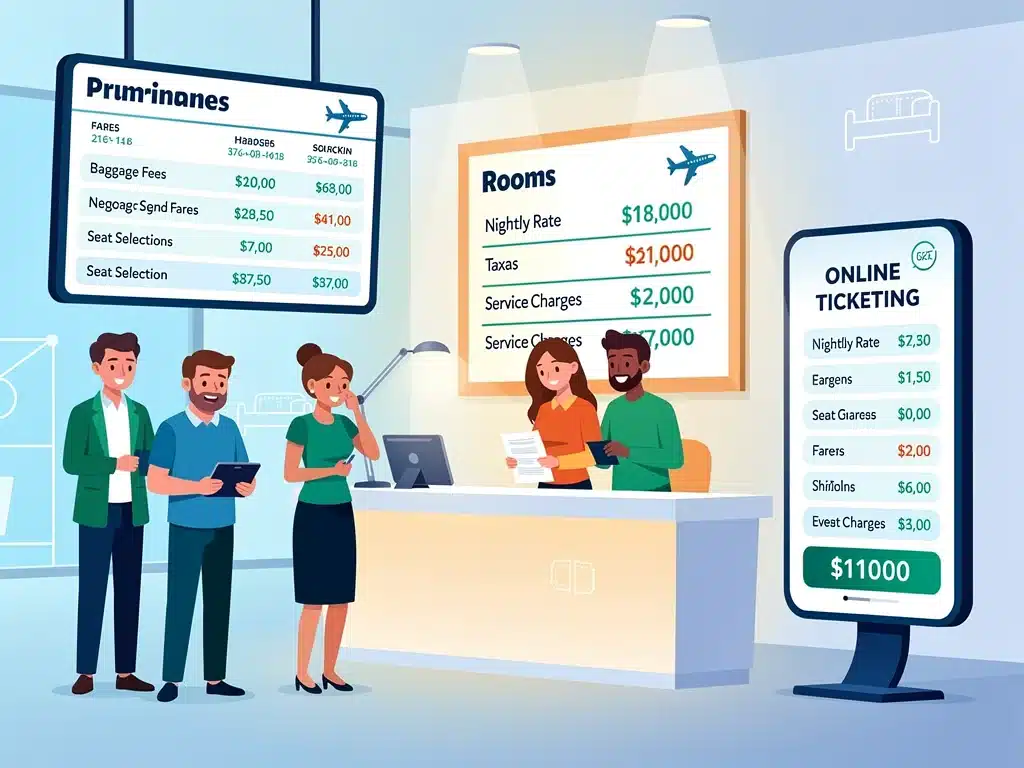
Airlines, hotels, ticketing agencies, and rental car companies are among those that will feel the immediate effects of the new regulations. These businesses will need to overhaul their pricing structures to comply with the mandate for upfront, all-inclusive pricing.
The ban’s broad application ensures that consumers will benefit from enhanced transparency in a wide range of transactions, fostering greater confidence in their purchasing decisions across various markets.
- Travel Industry: Airlines, hotels, and car rentals must disclose all mandatory fees upfront.
- Entertainment Sector: Ticketing platforms for concerts and sporting events will need to show total costs.
- Financial Services: Certain fees in banking and lending will come under increased scrutiny.
Consumer Benefits and Protections
The primary beneficiaries of the FTC hidden fees ban are consumers, who will gain unprecedented clarity in pricing. This means an end to the frustration and financial strain caused by unexpected charges that inflate the final cost of goods and services.
Consumers will be able to compare prices more accurately, fostering a more competitive marketplace where businesses compete on true value. This enhanced transparency is expected to lead to better financial planning and reduced instances of consumer exploitation.
The Federal Trade Commission Announces Sweeping Ban to protect consumers from predatory practices. This move empowers individuals with the knowledge needed to make informed choices, reinforcing trust in the marketplace.
What Consumers Should Look For
As the ban takes effect, consumers should actively look for clearer, all-inclusive pricing when making purchases. Advertised prices should reflect the total cost, including all mandatory fees, before any optional add-ons.
It is advisable for consumers to remain vigilant and report any instances where businesses appear to be circumventing the new regulations. The FTC has mechanisms in place for reporting violations, ensuring the ban’s effectiveness.
Understanding these changes will allow consumers to leverage the new protections to their full advantage, ensuring they receive fair and transparent transactions every time. The Federal Trade Commission Announces Sweeping Ban to simplify your purchasing experience.
Impact on Businesses and Compliance Challenges
Businesses, particularly those with established models reliant on hidden fees, face significant challenges in adapting to the new regulations. This necessitates a complete review of their pricing strategies and operational procedures to ensure full compliance.
The transition may involve substantial investment in updating IT systems, retraining staff, and revising marketing materials to reflect transparent pricing. Companies that embrace these changes proactively are likely to gain a competitive advantage and build greater consumer trust.
However, those that delay or resist compliance could face severe penalties, including fines and legal action, as the Federal Trade Commission Announces Sweeping Ban. The FTC is expected to rigorously enforce the new rules.
Strategies for Business Adaptation
To successfully navigate the new regulatory landscape, businesses should prioritize transparent communication with their customers. Clearly explaining all charges upfront will be crucial for maintaining trust and avoiding consumer complaints.
Companies might consider bundling services or offering tiered pricing models that clearly delineate what is included in each price point. This approach can help manage consumer expectations while complying with the ban.
Engaging with legal and compliance experts will be essential for businesses to ensure their practices align with the FTC hidden fees ban. Proactive measures will minimize risks and foster a positive transition.
- Pricing Model Overhaul: Redesigning price display to be all-inclusive.
- System Updates: Implementing changes in booking and billing software.
- Staff Training: Educating employees on new pricing policies and customer communication.
- Marketing Adjustments: Ensuring all advertisements reflect total costs.
Enforcement and Penalties for Non-Compliance
The Federal Trade Commission has made it clear that it intends to vigorously enforce the new ban on hidden fees. Non-compliant businesses will face substantial penalties, which could include significant fines, restitution to consumers, and injunctions preventing further violations.
The FTC will utilize its full authority to ensure businesses adhere to the new transparency standards. This includes conducting investigations, issuing subpoenas, and pursuing legal action against offenders.
The aim is not just to punish but to deter future deceptive practices, creating a fairer marketplace for everyone. The FTC Bans Hidden Fees, and its enforcement will be swift and decisive.
Reporting Violations
Consumers play a crucial role in the enforcement of the FTC hidden fees ban by reporting instances of non-compliance. The FTC provides clear channels for consumers to submit complaints, contributing to the identification and prosecution of businesses that fail to adhere to the new rules.
Each reported violation helps the FTC build a case and take appropriate action, reinforcing the effectiveness of the ban. This collaborative effort between regulators and the public is vital for ensuring long-term transparency.
The Federal Trade Commission encourages consumers to be vigilant and provides resources to guide them through the reporting process. This active participation strengthens the overall consumer protection framework.
Historical Context and Future Outlook
The FTC’s decision to ban hidden fees is not an isolated event but rather the culmination of years of advocacy and growing public concern over deceptive pricing. Previous attempts to curb these practices have often been piecemeal, but this new rule provides a comprehensive solution.
This ban also aligns with broader global trends towards greater consumer protection and corporate accountability. Many international markets have already implemented similar regulations, making the U.S. move a step towards harmonizing consumer standards.
Looking ahead, the FTC hidden fees ban is expected to foster a more honest and transparent marketplace, benefiting both consumers and ethical businesses. The long-term impact could lead to a significant paradigm shift in how services are priced and advertised.
Potential Long-Term Effects
The long-term effects of the FTC Bans Hidden Fees are anticipated to be far-reaching. Beyond immediate compliance, businesses may innovate new service models that inherently prioritize transparency, leading to enhanced consumer loyalty.
The ban could also spur greater competition, as companies will no longer be able to obscure their true costs behind hidden charges. This might result in more competitive pricing and better value for consumers.
Ultimately, the new regulation is poised to reset consumer expectations, making transparent pricing the default rather than a premium feature. This will create a more trustworthy and predictable commercial environment.
| Key Point | Brief Description |
|---|---|
| Ban Implementation | The FTC’s sweeping ban on deceptive hidden fees takes effect next month. |
| Consumer Impact | Consumers will benefit from upfront, all-inclusive pricing and greater transparency. |
| Business Adjustments | Industries must revise pricing models and operational procedures for compliance. |
| Enforcement | FTC will impose significant penalties for non-compliance, encouraging public reporting. |
Frequently Asked Questions About the FTC Hidden Fees Ban
The Federal Trade Commission Announces Sweeping Ban on Deceptive Hidden Fees Starting Next Month, marking the official commencement of this new regulatory era. Businesses are expected to be fully compliant by this date, and consumers should begin to see changes in pricing structures.
The ban targets mandatory charges often disclosed late in the buying process, commonly referred to as “junk fees.” This includes unexpected service charges, processing fees, and mandatory gratuities not included in the advertised price across various industries like travel and entertainment.
Consumers can report non-compliant businesses directly to the Federal Trade Commission through their official website or consumer complaint hotline. Providing detailed information about the deceptive practice will assist the FTC in its enforcement efforts and investigations.
Businesses found in violation of the FTC hidden fees ban face significant penalties. These can include substantial fines, orders for restitution to affected consumers, and injunctions to prevent future deceptive practices, ensuring strict adherence to the new regulations.
The ban applies broadly to all transactions, including online purchases and digital services. Companies operating in the digital space will also be required to display all mandatory fees upfront, ensuring transparency for consumers engaging in e-commerce and digital subscriptions.
What Happens Now
The FTC Bans Hidden Fees, heralding a new era of consumer protection and pricing transparency. This landmark regulation demands immediate attention from both consumers and businesses, shaping how transactions will be conducted moving forward.
Consumers should remain vigilant, observing changes in advertised prices and reporting any non-compliance to the FTC.
Businesses, on the other hand, must prioritize swift and comprehensive adaptation of their pricing models and operational practices to avoid penalties and foster consumer trust.
The full implications of this ban will unfold in the coming months, likely leading to a more competitive and equitable marketplace. This move underscores a broader commitment to fairness and clarity in commercial dealings across the United States.