Inflation trends: What you need to know now

Anúncios
Inflation trends directly impact everyday expenses, investment strategies, and economic policies, making it essential for consumers to monitor indicators, adjust budgets, and consider inflation-resistant assets for financial resilience.
Inflation trends are crucial to understanding our economic landscape.
Have you ever wondered how rising prices affect your purchasing power or savings?
Anúncios
Join me as we delve into the nuances of inflation and its ripple effects across your life.
Understanding inflation trends and their causes
Understanding inflation trends is essential for making informed financial decisions.
Inflation affects everything from the cost of groceries to housing prices, impacting our daily lives.
Anúncios
In this section, we will explore the various factors that contribute to inflation and how they shape our economy.
What causes inflation?
Inflation is driven by several key factors.
These can include demand-pull inflation, which occurs when demand for goods and services exceeds supply, and cost-push inflation, stemming from rising production costs.
Other elements such as monetary policy and global economic conditions also play significant roles.
- Demand-pull inflation: This arises when consumer demand outstrips supply.
- Cost-push inflation: This happens when the costs of production increase, leading companies to raise prices.
- Monetary policy: Central banks influence inflation through interest rates and money supply.
- Global influences: International events can lead to fluctuations in prices, affecting local economies.
Inflation can also be cyclical, often tied to economic growth and contraction.
When economies grow, demand increases, leading to higher prices.
Conversely, during economic downturns, inflation may stabilize or decrease. Keeping an eye on these trends helps individuals and businesses prepare for future shifts.
The impact of inflation on consumers
As inflation rises, consumers may feel the squeeze on their wallets.
Everyday expenses such as groceries, gas, and housing costs can increase, making it harder for families to budget.
Understanding inflation trends allows consumers to plan better for the future and adjust their spending habits accordingly.
For instance, if you notice an uptick in inflation rates, it might be wise to revisit your financial plans.
This knowledge can be empowering and enable you to make more strategic decisions regarding savings and investments.
In summary, grasping the various causes of inflation is vital for navigating the complexities of today’s economy effectively.
The impact of inflation on everyday expenses
The impact of inflation on everyday expenses cannot be overstated.
As prices increase, consumers often find themselves paying more for the same goods.
This constant rise in costs can create significant challenges in budgeting and financial planning.
Effects on grocery bills
One of the most immediate effects of inflation is seen in grocery bills.
The prices of essentials like bread, milk, and fresh produce tend to rise steadily during inflationary periods.
Families may notice that they are spending more for less, leading to tighter budgets.
- Rising food prices: Many staples see price increases, affecting family meals.
- Bulk buying: Consumers often turn to bulk purchases to save money.
- Brand switching: Shoppers may opt for generic brands over name brands to cut costs.
As families navigate these challenges, they often have to make tough decisions about what to buy, which can lead to a decrease in overall nutrition if cheaper alternatives are chosen.
Transportation costs
Transportation costs also take a hit during periods of inflation. With gas prices fluctuating, many people feel the pinch at the pump.
This can affect commuting patterns and even work choices as individuals reconsider their travel options.
Public transportation fares may also increase, making it crucial for city planners to evaluate service offerings during high inflation times.
With these rising costs impacting budgets, consumers may be more likely to carpool or seek remote work opportunities.
Overall, understanding how inflation affects your everyday expenses can help you make more informed financial choices.
Being vigilant about prices and adjusting spending habits plays a key role in managing finances during inflationary times.
It is essential to stay educated and proactive to adapt to these changes effectively.
How inflation trends affect investments
How inflation trends affect investments is a critical topic for anyone looking to grow their wealth.
With rising prices, the value of money changes over time, impacting various investment choices.
Understanding these dynamics can help investors make smarter decisions.
Inflation and stock market performance
Inflation often leads to uncertainty in the stock market. Investors frequently worry about how rising costs will affect corporate profits.
If companies struggle to pass their increased costs onto consumers, their stock prices may fall. This can lead to volatility as traders react to economic news.
- Consumer spending: Inflation may reduce disposable income, affecting demand for products.
- Interest rates: Rising inflation can prompt central banks to increase interest rates, impacting stocks.
- Sectors affected: Some sectors, like consumer staples, may perform better during inflation than others.
Long-term investors often adjust their portfolios to account for inflation risks.
They might consider putting money into sectors that traditionally do well when prices rise, like energy and commodities.
Real estate investments
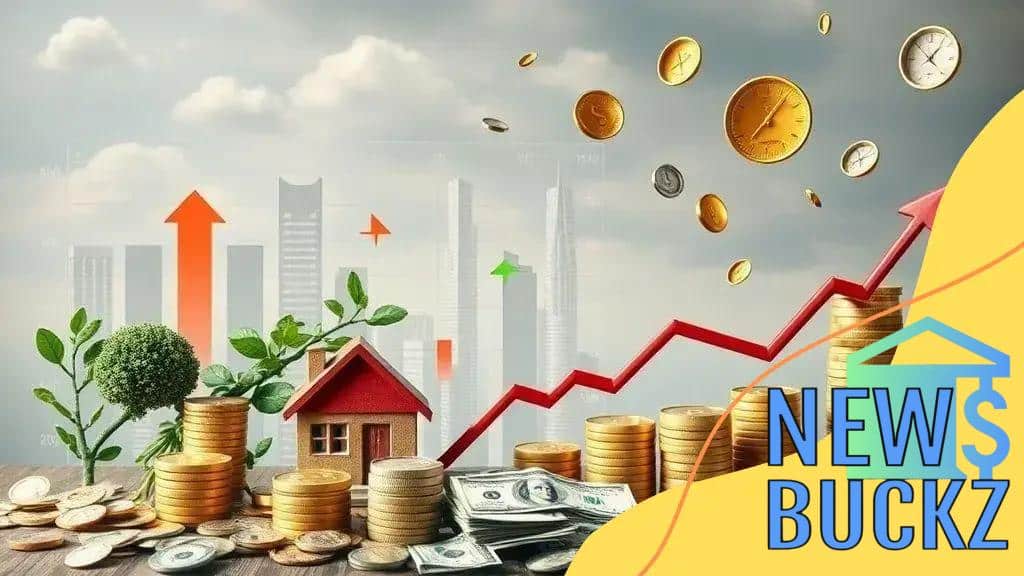
Real estate can serve as an effective hedge against inflation. Property values and rents tend to increase over time, correlating with rising inflation.
This means that real estate assets can protect investors from the eroding purchasing power of cash.
Additionally, many investors look to real estate investment trusts (REITs) during inflationary periods.
These investments often provide dividends that may also rise, helping to keep pace with inflation.
As demand for housing increases, so too can rental prices, leading to greater returns for property owners.
Overall, understanding how inflation trends influence investments requires careful analysis and adaptability.
Being aware of market reactions and potential shifts in consumer behavior can offer valuable insights for investment strategies in varying economic conditions.
Inflation and its role in economic policy
Inflation plays a crucial role in shaping economic policy.
Understanding how central banks and governments respond to inflation helps us identify their strategies for promoting stability and growth.
By keeping an eye on inflation trends, policymakers can set appropriate measures to manage the economy.
The role of central banks
Central banks are primarily responsible for controlling inflation. They use monetary policy tools to influence money supply and interest rates.
When inflation rises, central banks may increase interest rates to cool down the economy.
This can help reduce consumer spending and borrowing, thus stabilizing prices.
- Interest rate adjustments: Raising rates makes borrowing more expensive, reducing spending.
- Open market operations: Selling government securities can help absorb excess money in the economy.
- Reserve requirements: Increasing the reserves banks must hold can limit their ability to lend.
Through these measures, central banks aim to keep inflation within a target range, which often enhances economic stability.
Fiscal policy considerations
Governments also play a significant role in managing inflation through fiscal policy.
By adjusting spending and taxation levels, they can influence aggregate demand in the economy.
In periods of high inflation, governments may cut spending or increase taxes to help control price rises.
Conversely, during times of low inflation or economic downturns, increasing spending can stimulate demand.
This shows how fiscal policies must be adaptable to various economic conditions.
It highlights the importance of a coordinated approach between monetary and fiscal policies.
Understanding inflation and its role in economic policy equips citizens with knowledge about how governments and financial institutions work to maintain economic health.
Staying informed helps individuals make better financial choices in changing economic landscapes.
Forecasting future inflation trends
Forecasting future inflation trends is essential for individuals and businesses alike.
Understanding how inflation may evolve can help people make better financial decisions.
Analysts often use various tools and indicators to predict these trends and their potential impacts.
Key indicators to monitor
Several key indicators can provide insight into future inflation trends.
Keeping an eye on these can help in making informed predictions and adapting financial strategies accordingly.
- Consumer Price Index (CPI): This measures the average change over time in the prices paid by consumers for goods and services.
- Producer Price Index (PPI): This gauges the average changes in prices received by domestic producers for their output.
- Employment costs: Wage growth can signal inflationary pressures as higher wages often lead to increased spending.
By analyzing these indicators, economists can gauge where inflation might head in the near future.
For instance, if the CPI shows consistent increases, it may indicate rising prices in the coming months.
Economic models for prediction
Models that factor in inflation and economic data can further enhance predictions.
Economists often utilize statistical models to estimate potential inflation rates based on historical data and current economic conditions.
These models can incorporate various scenarios, helping to estimate how different factors like monetary policy or global events might influence inflation.
Understanding these models allows investors to strategically position their portfolios based on anticipated shifts in economic conditions.
In summary, forecasting future inflation trends involves monitoring key indicators and utilizing economic models.
By being proactive and informed, individuals and businesses can better navigate the challenges that inflation may pose in the future.
Managing finances in times of inflation
Managing finances in times of inflation can be challenging.
Rising prices affect everything from grocery bills to utility costs, making it essential to adopt smart financial strategies.
Understanding how to budget effectively becomes crucial during these periods.

Reassessing your budget
One of the first steps in managing finances during inflation is to reassess your budget. Identify areas where spending can be reduced.
Consider prioritizing necessary expenses over discretionary ones, as this can help free up funds for essentials.
- Track spending: Keep a close eye on where your money goes each month.
- Cut non-essential expenses: Limit spending on things that are not necessary.
- Plan meals: Meal planning can help reduce food costs significantly.
By making these adjustments, individuals can better navigate their financial obligations as prices increase.
Investing wisely
In times of inflation, investing wisely becomes increasingly important. Many consider assets that typically perform well during inflationary periods.
Real estate or commodities like gold tend to retain value when prices rise.
Moreover, certain stocks, especially those in essential consumer goods sectors, may offer stability.
It’s also beneficial to explore inflation-protected securities. These investments adjust with inflation, helping to preserve your purchasing power.
Consulting with a financial advisor can help identify the best investment strategies based on individual goals and risk tolerance.
Lastly, increasing income streams through side jobs or freelance work can provide additional financial resilience.
This extra income can help mitigate the effects of inflation on overall financial health.
Understanding how to manage finances effectively in turbulent economic times can lead to greater security and peace of mind.
FAQ – Frequently Asked Questions about Inflation Trends
How does inflation impact my everyday expenses?
Inflation increases the prices of goods and services, leading to higher grocery bills, transportation costs, and utility rates.
What can I do to manage my finances during inflation?
You can reassess your budget, cut non-essential expenses, and consider investing in assets that typically perform well during inflation.
Why is it important to monitor inflation trends?
Monitoring inflation trends helps you make informed financial decisions and adjust your investment strategies accordingly.
What types of investments are good during inflationary periods?
Investments in real estate, commodities, and inflation-protected securities are generally considered strong options during times of inflation.