Navigating New Title IX Academic Accommodations: 5-Step Guide
Anúncios
Securing equal access to higher education requires navigating formal interim measures when unexpected medical or safety disruptions threaten academic standing.
Requesting official Title IX Academic Accommodations empowers postsecondary students to receive tailored structural adjustments without compromising their degree progress or enrollment status.
Implementing supportive academic modifications—such as examination deferrals, course schedule adjustments, and excused pregnancy or health leaves—guarantees protection under federal non-discrimination mandates.
These institutional adjustments ensure that students undergoing formal grievance procedures or recovery retain uninterrupted access to university coursework and campus facilities.
Understanding institutional compliance protocols enables undergraduates and graduate students to request prompt accommodations effectively. Here is a 5-step roadmap to submitting formal documentation, coordinating with campus equity officers, and protecting your civil rights in higher education.
Anúncios
Understanding the Landscape of Title IX Academic Accommodations
The landscape of academic support for postsecondary students is continually evolving, particularly concerning Title IX. Recent federal guidelines have refined how educational institutions must provide reasonable academic accommodations to ensure equitable access and prevent discrimination based on sex, which now includes gender identity and sexual orientation.
These changes underscore the critical need for students to be well-informed about their rights and the procedural steps involved. A proactive approach is essential for successfully securing the necessary adjustments to their educational environment, ensuring they can thrive academically.
Understanding the nuances of these new regulations is paramount for both students and institutions. The aim is to foster an inclusive learning environment where all students, regardless of their circumstances, receive fair treatment and appropriate support.
Step 1: Know Your Rights and Institutional Policies
The initial and most crucial step for any student seeking academic accommodations under Title IX is to thoroughly understand their rights. Federal law, specifically Title IX, mandates that educational institutions receiving federal funding must not discriminate on the basis of sex, which extends to academic settings.
This means students are entitled to a learning environment free from sex-based discrimination, including situations that necessitate academic adjustments. Institutions are required to have clear policies outlining the process for requesting and receiving these accommodations, often managed through disability services or Title IX offices.
Familiarizing oneself with the specific policies of their university or college is non-negotiable. These policies detail who to contact, what documentation is required, and the expected timeline for review and implementation, providing a roadmap for Title IX Academic Accommodations.
Identifying Your Specific Needs
Before initiating any formal request, students must accurately identify their specific academic needs that necessitate accommodation. This involves a clear assessment of how a particular condition or circumstance impacts their ability to participate fully in academic activities.
Anúncios
For instance, a student recovering from a sexual assault might require extensions on assignments, changes in class schedule, or alternative learning formats. Documenting these needs thoroughly is critical for building a strong case for accommodation. This self-assessment is the foundation for effective advocacy.
Understanding the precise nature of the challenges faced allows for a more targeted and effective request, streamlining the process and improving the likelihood of a positive outcome. Clear articulation of needs is a powerful tool in securing support.
Accessing Institutional Resources
Locate your university's Title IX office and disability services department.
Review their official websites for detailed policies and contact information.
Attend informational sessions or workshops offered by these departments.
Many institutions offer resources, such as student handbooks, online portals, and dedicated staff, to guide students through this process. These resources are designed to demystify complex procedures and ensure students are not left navigating the system alone, particularly concerning Title IX Academic Accommodations.
Step 2: Gather Comprehensive Documentation
Once a student has identified their needs and understands the institutional policies, the next critical step involves gathering comprehensive and relevant documentation. This evidence serves as the foundation for any request for academic accommodations, lending credibility and specificity to the student's claims.
The type of documentation required can vary depending on the nature of the accommodation sought. Typically, this includes medical records, psychological evaluations, or official reports from counselors or therapists, especially in cases related to trauma or mental health impacting academic performance.
Accurate and timely documentation is essential for university officials to make informed decisions. Incomplete or outdated records can significantly delay the process or even lead to a denial of the requested accommodations, making this step paramount for securing Title IX Academic Accommodations.
Types of Necessary Documentation
For accommodations related to physical or mental health conditions, a recent diagnosis and recommendations from a licensed healthcare professional are usually required. This documentation should clearly outline the condition, its impact on academic functioning, and specific accommodations recommended.
In cases stemming from sexual harassment or assault, official reports to the Title IX office or law enforcement, counseling records, or statements from supportive services can be crucial. The documentation should establish a clear link between the incident and the need for academic adjustments.
It is important to ensure that all submitted documents are legible, dated, and from credible sources. Universities often have specific forms or guidelines for healthcare providers to complete, which helps ensure all necessary information is included for evaluating Title IX Academic Accommodations.
Ensuring Confidentiality and Privacy
Students should be aware of their rights regarding confidentiality and privacy when submitting sensitive documentation. Institutions are legally obligated to protect student information, particularly in Title IX cases.
Understanding how their information will be stored, who will have access to it, and for what purpose is vital. Students can often discuss these concerns with the Title IX coordinator or disability services staff before submitting any personal records, ensuring peace of mind.
Universities typically have strict data protection protocols in place to safeguard sensitive information. This commitment to privacy helps foster trust and encourages students to come forward without fear of their personal details being mishandled during the process of securing Title IX Academic Accommodations.
Step 3: Formal Request and Initial Meeting
With a clear understanding of rights and comprehensive documentation in hand, the student is ready to initiate the formal request process. This typically begins by submitting a formal application or form to the relevant university department, often the Title IX office or the disability services center.
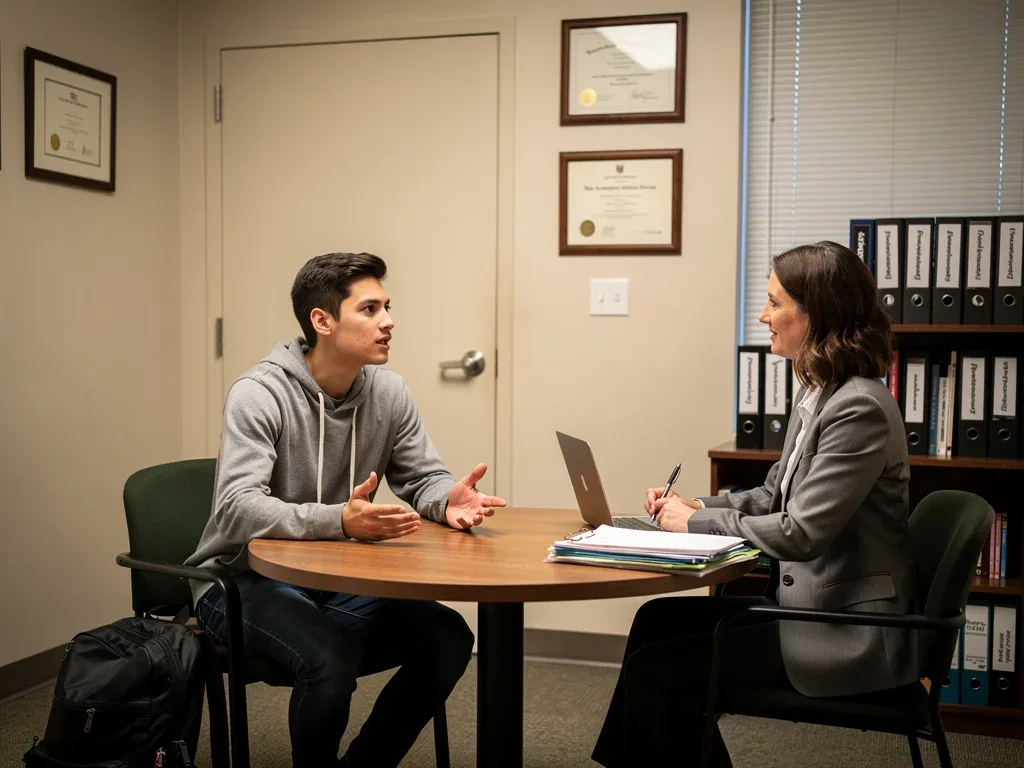
Following the submission, an initial meeting is usually scheduled with a designated coordinator or advisor. This meeting serves as an opportunity for the student to articulate their needs directly, discuss their documentation, and propose specific academic accommodations that would facilitate their success.
Preparation for this meeting is key; students should come ready to discuss their situation openly and clearly, advocating for their needs with confidence. This interaction is a pivotal moment in the process of obtaining Title IX Academic Accommodations.
Preparing for Your Meeting
Before the meeting, review all your documentation and prepare a concise summary of your needs and requested accommodations. Consider practicing what you want to say to ensure clarity and confidence during the discussion.
It can also be beneficial to bring a list of questions you have for the coordinator, such as timelines for decisions, appeal processes, or additional support services available. Being well-prepared demonstrates your commitment to the process.
Remember that this meeting is a dialogue, not an interrogation. The coordinator's role is to understand your situation and work with you to find appropriate solutions, ensuring fair access to education through Title IX Academic Accommodations.
Advocating for Your Needs Effectively
During the meeting, be clear and direct about how your condition or situation impacts your academic performance. Provide specific examples where possible, linking your challenges to the accommodations you are requesting.
Listen carefully to the coordinator's feedback and suggestions. They may offer alternative accommodations or require additional information. Maintaining an open and collaborative approach can lead to more effective and timely resolutions.
If you feel overwhelmed or unsure, consider bringing a trusted friend, family member, or advocate to the meeting for support. Their presence can help ensure all your concerns are addressed and understood when discussing Title IX Academic Accommodations.
Step 4: Review, Approval, and Implementation
After the initial meeting and submission of all required documentation, the university's relevant department will review the request for academic accommodations. This review process involves assessing the student's needs against institutional policies and federal guidelines, including those under Title IX.
Once approved, the accommodations are formally communicated to the student and relevant faculty members. This communication typically outlines the specific adjustments, their duration, and the responsibilities of both the student and the institution in implementing them.
Effective implementation requires clear communication and cooperation from all parties involved. Students should confirm that their accommodations are being applied as agreed upon, ensuring they receive the support they need for their academic journey and for optimal Title IX Academic Accommodations.
Understanding the Decision
The university's decision regarding academic accommodations will be communicated in writing, detailing what accommodations have been approved and, if applicable, reasons for any denials or modifications. Students should carefully review this decision for accuracy and completeness.
If an accommodation is denied or partially approved, the communication should also outline the appeals process. Understanding this process is crucial for students who wish to challenge the decision or seek further clarification on the university's stance.
It is important to remember that not all requested accommodations may be deemed reasonable or necessary by the institution. However, students have the right to understand the rationale behind any such decision and to pursue an appeal if they believe their rights under Title IX Academic Accommodations have not been fully met.
Ensuring Proper Implementation
Once accommodations are approved, students should proactively communicate with their professors and instructors about the agreed-upon adjustments. While the university will typically notify faculty, a direct conversation can help clarify any ambiguities and ensure a smooth implementation.
Students should monitor whether the accommodations are being consistently applied in all their courses. If there are any discrepancies or issues, they should immediately contact the Title IX coordinator or disability services advisor to address them.
Regular follow-ups and open lines of communication are vital to ensure that the accommodations remain effective and continue to support the student's academic success throughout their time at the institution, particularly concerning the specifics of Title IX Academic Accommodations.
Step 5: Ongoing Monitoring and Advocacy
Securing academic accommodations is not a one-time event; it often requires ongoing monitoring and advocacy. The needs of a student can evolve, and the effectiveness of certain accommodations may need to be re-evaluated over time. This continuous engagement ensures that the support remains appropriate and sufficient.
Students should regularly assess whether their current accommodations are adequately meeting their academic needs. If circumstances change or if the accommodations are no longer effective, it is important to initiate a review process with the university.
Proactive communication with the Title IX office or disability services department is crucial for adjusting existing accommodations or requesting new ones. This step reinforces the student's role as an active participant in their educational journey and in maintaining their Title IX Academic Accommodations.
Reviewing and Adjusting Accommodations
It is advisable for students to schedule periodic check-ins with their assigned coordinator to discuss the efficacy of their accommodations. These meetings provide an opportunity to report any challenges encountered or to request modifications based on changing academic demands or personal circumstances.
For instance, a student who initially received extended time for exams might later find that they also need alternative formats for course materials due to evolving needs. The review process is designed to be flexible and responsive to such changes.
Maintaining open communication channels ensures that the university remains informed about the student's situation and can adapt support as necessary. This dynamic approach is key to long-term academic success with Title IX Academic Accommodations.
Knowing When to Escalate Concerns
If a student encounters persistent issues with the implementation of their approved accommodations, or if their requests are repeatedly denied without clear justification, they should know when and how to escalate their concerns. This might involve appealing a decision or filing a formal complaint.
Most universities have a multi-tiered appeals process for accommodation decisions. Students should familiarize themselves with these procedures and seek guidance from student ombudsmen or legal aid services if they feel their rights are being violated.
Documenting all communications and incidents related to accommodation issues is essential for any escalation process. This meticulous record-keeping provides concrete evidence to support their claims and is vital for upholding their rights to Title IX Academic Accommodations.
The Role of Faculty in Academic Accommodations
Faculty members play a pivotal role in the successful implementation of academic accommodations. Their understanding and cooperation are essential for ensuring that students receive the support they need without disruption to their learning experience.
Universities are responsible for educating their faculty on Title IX regulations and the specific accommodations approved for students. This often includes training sessions and clear guidelines on how to integrate accommodations into their teaching practices.
For students, building a respectful and communicative relationship with their instructors can significantly ease the process. Open dialogue, initiated by the student, can clarify expectations and prevent misunderstandings regarding Title IX Academic Accommodations.
Faculty Training and Responsibilities
Faculty members are typically informed of approved accommodations through official channels, often from the disability services or Title IX office.
They are then responsible for integrating these accommodations into their course delivery, which might involve adjusting deadlines, providing alternative testing environments, or offering different participation methods.
It is crucial for faculty to maintain the confidentiality of student accommodations. Sharing this information inappropriately can violate student privacy and institutional policies. Their discretion is a cornerstone of trust in the accommodation process.
When in doubt, faculty should consult with the relevant university department rather than making unilateral decisions regarding accommodations. This ensures consistency and adherence to established guidelines for Title IX Academic Accommodations.
Student-Faculty Communication
Initiate a private conversation with your instructor early in the semester.
Clearly explain the nature of your accommodations without oversharing personal details.
Confirm understanding of how accommodations will be applied in their specific course.
Effective communication between students and faculty can prevent many common issues. Students should not assume faculty members fully understand the nuances of their accommodations without direct discussion.
Legal Framework and Protections
The provision of academic accommodations under Title IX is rooted in a robust legal framework designed to protect students from discrimination.
Beyond Title IX, other federal laws such as the Americans with Disabilities Act (ADA) and Section 504 of the Rehabilitation Act also mandate equitable access for students with disabilities, often intersecting with Title IX considerations.
These laws ensure that postsecondary institutions provide reasonable accommodations to students who experience barriers to their education. Understanding the interplay of these legal protections empowers students to advocate for their rights effectively.
The legal landscape provides a strong foundation for demanding and receiving necessary support, solidifying the importance of Title IX Academic Accommodations within higher education.
Intersection of Laws
While Title IX specifically addresses sex-based discrimination, including sexual harassment and assault that may necessitate academic adjustments, the ADA and Section 504 focus on discrimination against individuals with disabilities. Often, a student's need for academic accommodation might fall under multiple legal frameworks.
For example, a student experiencing depression as a result of a Title IX violation might qualify for accommodations under both Title IX (due to the impact of the violation) and the ADA (due to their mental health condition). Universities must navigate these intersections to provide comprehensive support.
This layered legal protection offers students multiple avenues for seeking and securing the academic support they need. Institutions are generally prepared to address requests under all applicable laws, ensuring a holistic approach to Title IX Academic Accommodations.
Recourse and Enforcement
Filing a formal complaint with the university's Title IX coordinator.
Contacting the Office for Civil Rights (OCR) within the U.S. Department of Education.
Seeking legal counsel for potential litigation if institutional remedies are insufficient.
If a student believes their rights have been violated or that their institution has failed to provide appropriate accommodations, various avenues for recourse are available. These mechanisms are designed to enforce compliance with federal laws and ensure student protections regarding Title IX Academic Accommodations.
Impact on Student Success and Well-being
The effective provision of Title IX Academic Accommodations has a profound impact on student success and overall well-being. When students receive the necessary support, they are better equipped to engage with their studies, perform academically, and complete their degrees.
Beyond academic performance, appropriate accommodations contribute significantly to a student's mental health and sense of belonging. Knowing that their institution is committed to their success and well-being can reduce stress and anxiety, fostering a more positive educational experience.
Ultimately, these accommodations are not just about compliance; they are about creating an inclusive and equitable environment where all students have the opportunity to reach their full potential, ensuring a supportive framework for Title IX Academic Accommodations.
Fostering an Inclusive Environment
Academic accommodations are a key component of fostering an inclusive campus environment. By removing barriers to education, institutions demonstrate their commitment to diversity and equity, sending a clear message that all students are valued and supported.
This inclusivity extends beyond the individual student to the broader campus community, promoting a culture of understanding and respect. When accommodations are seamlessly integrated, it normalizes diverse learning needs.
An inclusive environment benefits all students by enriching classroom discussions and broadening perspectives. This proactive approach to support strengthens the educational experience for everyone, reflecting the spirit of Title IX Academic Accommodations.
Long-Term Benefits for Students
Improved academic performance and higher retention rates.
Enhanced self-advocacy skills and confidence.
Better mental health outcomes and reduced academic stress.
The long-term benefits of effective academic accommodations extend far beyond graduation. Students who learn to navigate and advocate for their needs develop valuable life skills that serve them well in future academic pursuits and professional careers. This experience reinforces their ability to secure necessary Title IX Academic Accommodations.
Key Aspect | Brief Description |
|---|---|
Student Rights | Understand federal and institutional mandates for equitable access. |
Documentation | Gather comprehensive medical or support records for requests. |
Formal Request | Submit applications and attend meetings with university officials. |
Monitoring | Continuously assess and adjust accommodations as needs evolve. |
Frequently Asked Questions About Title IX Academic Accommodations
What exactly is covered under Title IX for academic accommodations?▼
Title IX prohibits sex-based discrimination in education, including harassment and assault that may impact academic performance. Accommodations ensure students affected by such incidents receive necessary academic adjustments, like extensions or course changes, to maintain equitable access to education.
How do I start the process of requesting accommodations?▼
Begin by identifying your specific needs and researching your institution's Title IX and disability services policies. Then, gather relevant documentation such as medical records or counseling reports, and schedule an initial meeting with the appropriate university coordinator to discuss your request.
What kind of documentation is typically required?▼
Documentation usually includes official reports from healthcare providers, therapists, or Title IX investigators, detailing the condition or incident and its impact on your academic functioning. Ensure all documents are current, legible, and clearly recommend specific academic adjustments to support your request.
What if my requested accommodations are denied or insufficient?▼
If your accommodations are denied or deemed insufficient, carefully review the university's written decision and understand the appeals process. You have the right to challenge the decision and can seek guidance from student advocates or the Office for Civil Rights (OCR) if necessary.
How often should I review my academic accommodations?▼
It's advisable to review your academic accommodations at least once per semester or whenever your academic needs change. Proactively communicate with your Title IX coordinator or disability services advisor to ensure your support remains effective and appropriate for your current circumstances.
Next Steps for Postsecondary Students
The evolving landscape of Title IX Academic Accommodations necessitates continued vigilance and proactive engagement from postsecondary students. Staying informed about institutional policy changes and federal guidelines is paramount for ensuring ongoing access to equitable educational opportunities.
Students must view their role as active participants in securing and maintaining the support essential for their academic success and overall well-being in a dynamic educational environment.