Urgent Alert: Major Cybersecurity Breach Hits 15 Million US Citizens
Anúncios
An urgent alert has been issued regarding a major US Cybersecurity Breach affecting 15 million US citizens’ data. A federal investigation has been underway since January 2026, probing the extensive compromise of sensitive personal information. This incident highlights critical vulnerabilities in national digital infrastructure and raises significant concerns about data security.
Latest developments on the US Cybersecurity Breach are shaping today’s agenda with new details released by officials and industry sources. This update prioritizes what changed, why it matters and what to watch next, in a straightforward news format. The federal investigation, ongoing since January 2026, aims to uncover the full scope and perpetrators behind this significant attack.
The impact of this US Cybersecurity Breach is far-reaching, affecting millions of American citizens. The incident underscores the persistent and evolving threats in the digital landscape, demanding immediate and robust responses from both government agencies and private sector entities. Staying informed is crucial as the investigation unfolds.
An Urgent Alert: Major Cybersecurity Breach Affects 15 Million US Citizens’ Data, Federal Investigation Underway Since January 2026. is dominating headlines as authorities grapple with the fallout of an unprecedented digital attack. This incident, first detected in late 2025 but officially under federal investigation since January 2026, has compromised the personal data of an estimated 15 million Americans, sparking widespread concern and a determined national response. The sheer scale of this breach signifies a critical moment for national cybersecurity protocols and citizen data protection.
The compromised data reportedly includes sensitive personal identifiable information (PII) such as social security numbers, addresses, and financial details, making the potential for identity theft and fraud a significant threat. Government agencies are working tirelessly to identify the full extent of the damage and to implement measures to protect affected individuals. The ongoing federal investigation is a top priority for national security.
Anúncios
This major US Cybersecurity Breach reinforces the urgent need for enhanced digital defenses and proactive strategies to counter sophisticated cyber threats. As the investigation progresses, citizens are advised to remain vigilant and take immediate steps to secure their personal information. The implications of such a large-scale data compromise are profound, affecting both individual privacy and national stability.
Federal Investigators Uncover Initial Findings in Massive Data Compromise
Authorities have confirmed initial findings regarding the origins and methodology of the recent US Cybersecurity Breach. Early indications point to a highly sophisticated state-sponsored actor, leveraging zero-day vulnerabilities to gain unauthorized access to critical government and private sector databases. The complexity of the attack suggests a well-resourced and persistent adversary.
The federal investigation, spearheaded by the FBI and the Department of Homeland Security, has been a monumental undertaking, employing thousands of cybersecurity experts and forensic analysts. Their collective efforts aim to meticulously trace the digital footprints of the attackers, understand the exfiltration methods, and identify any remaining backdoors. This major US Cybersecurity Breach demands a comprehensive and coordinated response.
Key details emerging from the investigation highlight the strategic nature of the breach, targeting specific data sets that could have significant geopolitical or economic value. The incident serves as a stark reminder of the continuous cyber warfare being waged against national infrastructure. Protecting against future attacks is paramount.
Tracing the Attack Vector and Timeline
The initial breach is believed to have occurred in late 2025, with federal investigators officially launching their probe in January 2026. The attackers reportedly exploited a series of previously unknown software flaws, allowing them to bypass conventional security measures and establish a persistent presence within target networks. This allowed for prolonged data exfiltration.
Forensic analysis indicates a multi-stage attack, beginning with reconnaissance and followed by escalating privileges within the compromised systems. The methodical approach suggests a deep understanding of the targeted infrastructure, emphasizing the need for continuous security audits and vulnerability assessments. Understanding the timeline is crucial for preventing similar incidents.
The rapid response once the breach was detected minimized further damage, but not before a substantial amount of data had been exfiltrated. The ongoing investigation focuses on identifying the specific data sets compromised and notifying affected individuals and organizations. The scale of this US Cybersecurity Breach is unprecedented, necessitating a robust and swift response.
Anúncios
- Initial intrusion detected: Late 2025
- Federal investigation launched: January 2026
- Estimated individuals affected: 15 million US citizens
- Primary data compromised: PII including Social Security Numbers and financial details
Impact on 15 Million US Citizens: What You Need to Know
The immediate concern for the 15 million US citizens affected by this US Cybersecurity Breach is the potential for identity theft and financial fraud. Experts are advising individuals to take proactive measures to protect their personal and financial information, including monitoring credit reports and changing passwords. The long-term implications could be substantial.
Government agencies are working to provide resources and guidance to affected individuals, including free credit monitoring services and educational materials on recognizing and preventing fraud. The scale of the data loss means that outreach efforts are extensive and ongoing, ensuring that all impacted citizens receive necessary support. This major US Cybersecurity Breach demands transparency and support for victims.
The emotional and financial toll on victims of such a large-scale breach can be immense. The federal government acknowledges this and is committed to assisting those whose data has been compromised, emphasizing that protecting citizen data is a top national priority. Vigilance and swift action are critical for minimizing personal risk.
Protective Measures for Affected Individuals
Citizens who suspect they may be among the 15 million affected by the US Cybersecurity Breach should immediately secure all online accounts with strong, unique passwords and enable multi-factor authentication wherever possible. It is also advisable to place fraud alerts or credit freezes on their credit reports to prevent unauthorized access to their financial accounts. These steps are vital for personal security.
Regularly reviewing bank statements, credit card transactions, and credit reports for any suspicious activity is paramount. Any unauthorized charges or inquiries should be reported immediately to financial institutions and credit bureaus. Early detection can significantly mitigate the damage caused by identity theft. The ramifications of this US Cybersecurity Breach are still unfolding.
Government resources, including dedicated helplines and websites, are being established to provide direct assistance and up-to-date information to affected individuals. Staying informed through official channels is crucial to avoid misinformation and scams. The collective effort across federal agencies aims to support those impacted by this unprecedented event.
- Monitor credit reports regularly for suspicious activity.
- Change passwords for all online accounts and enable multi-factor authentication.
- Place fraud alerts or credit freezes with credit bureaus.
- Report any unusual financial activity immediately.
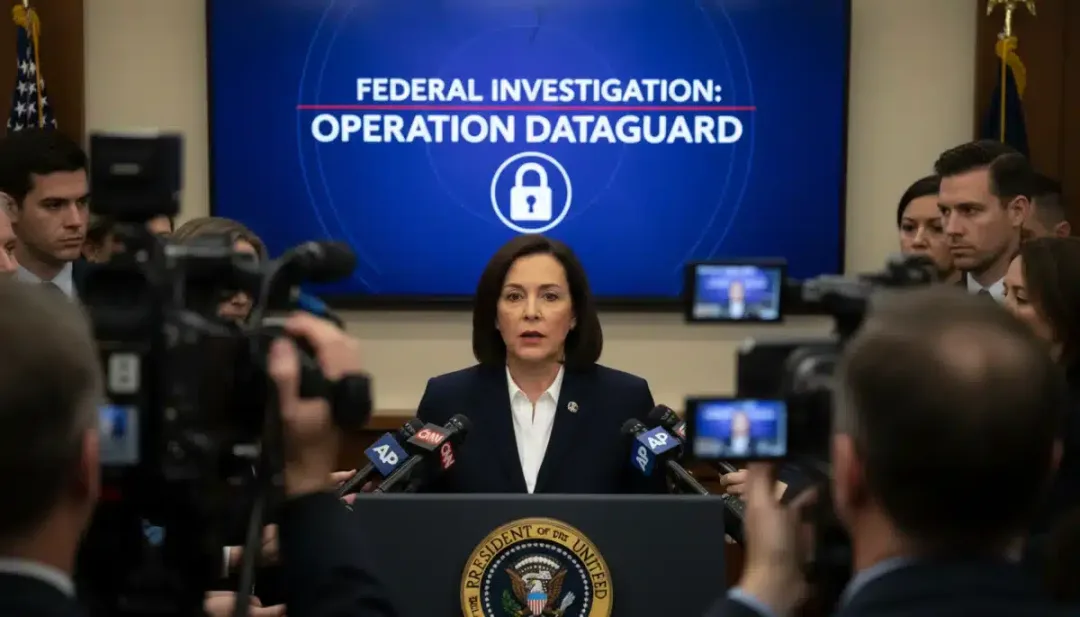
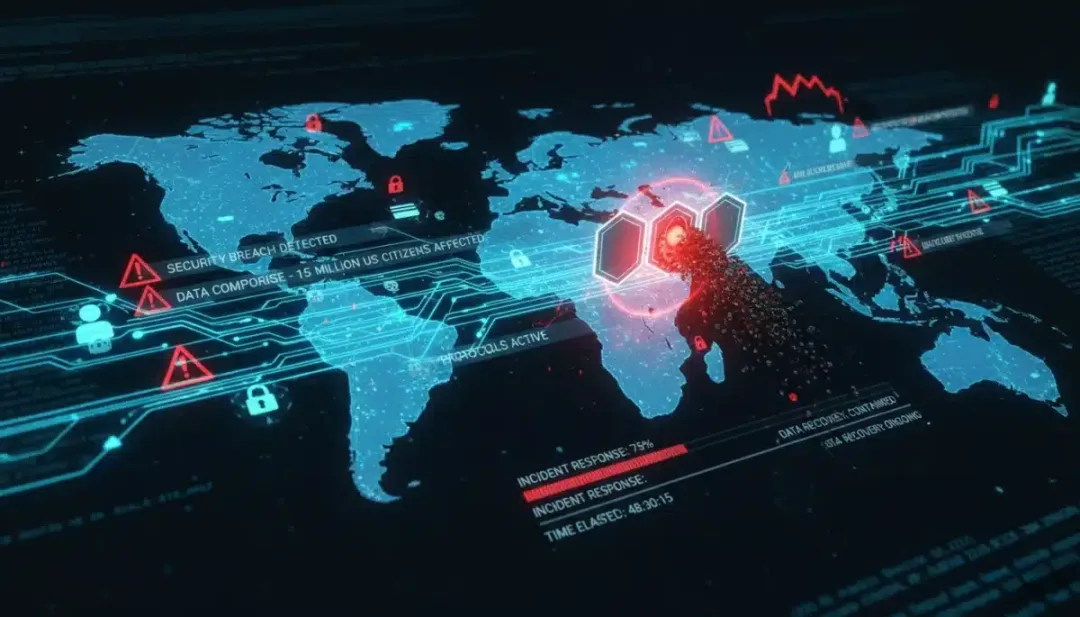
The federal investigation into the US Cybersecurity Breach is not just about identifying the culprits; it’s also about strengthening national cybersecurity infrastructure. This incident highlights critical vulnerabilities that require immediate attention and significant investment in defensive technologies and expert personnel. The lessons learned from this breach will shape future cyber defense strategies.
Federal Investigation Intensifies: What’s Next for Cybersecurity Policy
The federal investigation into the US Cybersecurity Breach is intensifying, with new legislative proposals already under consideration to bolster national cybersecurity defenses. Lawmakers are debating stricter data protection regulations, enhanced funding for cybersecurity agencies, and improved intelligence sharing mechanisms between government and private sectors. This incident is a catalyst for significant policy changes.
Experts suggest that this breach could lead to a paradigm shift in how the United States approaches digital security, moving towards a more proactive and integrated defense posture. The focus will likely be on resilience, rapid response capabilities, and international cooperation to combat state-sponsored cyber threats. The federal investigation is driving this critical re-evaluation.
The urgency of the situation is palpable, with calls for bipartisan support to swiftly implement robust cybersecurity legislation. The goal is not only to prevent future breaches of this magnitude but also to ensure that the nation is better equipped to respond effectively when they do occur. The US Cybersecurity Breach has underscored the critical need for immediate action.
Potential Legislative and Regulatory Changes
One key area of focus for new legislation will be mandating stricter security standards for companies handling sensitive US citizen data, particularly those working with government contracts. There is a growing consensus that current regulations are insufficient to counter the sophisticated tactics employed by modern cyber adversaries. This is a direct response to the massive US Cybersecurity Breach.
Another significant proposal involves increasing the budget for federal cybersecurity agencies, such as CISA (Cybersecurity and Infrastructure Security Agency) and the FBI, to hire more specialists and acquire advanced threat detection technologies. The aim is to create a more robust federal defense that can anticipate and neutralize threats before they escalate. The federal investigation demands these resources.
Furthermore, discussions are underway to establish a clearer framework for public-private partnerships in cybersecurity, facilitating better information sharing and coordinated responses during national security incidents. This collaborative approach is seen as essential to building a resilient digital ecosystem. The impact of this US Cybersecurity Breach is driving these changes.
Global Implications of the US Cybersecurity Breach
The US Cybersecurity Breach has significant global implications, potentially affecting international relations and the global cybersecurity landscape. Allies are closely watching the federal investigation’s progress, understanding that vulnerabilities in one nation’s digital infrastructure can have ripple effects across interconnected global networks. This incident is a stark reminder of global interdependence.
The attribution of the attack to a state-sponsored actor, if confirmed, could trigger diplomatic repercussions and potentially escalate tensions between nations. The international community is grappling with defining norms and accountability in cyberspace, and this breach adds further complexity to these critical discussions. The federal investigation has international ramifications.
Cybersecurity is no longer a localized issue; it is a matter of global security and economic stability. The United States, as a major player in the digital realm, sets precedents with its response, influencing how other nations approach their own cyber defenses and international cooperation efforts. The US Cybersecurity Breach is a global wake-up call.
International Cooperation and Cyber Diplomacy
In the aftermath of the US Cybersecurity Breach, there is a renewed push for stronger international cooperation on cybersecurity. This includes sharing threat intelligence, coordinating defensive measures, and developing common legal frameworks to prosecute cybercriminals and state-sponsored attackers across borders. A united front is essential for global digital security.
Diplomatic efforts are underway to address the issue of state-sponsored cyber warfare, seeking to establish clear red lines and consequences for malicious cyber activities. The goal is to deter future attacks and foster a more stable and secure global cyberspace. This federal investigation serves as a critical point of discussion for international bodies.
The incident also highlights the need for international standards and best practices in data protection, ensuring that sensitive information is safeguarded regardless of where it resides. The global community must collectively work towards building a more resilient and trustworthy digital environment. The US Cybersecurity Breach is a catalyst for these global discussions.
Protecting Your Data: Steps Beyond the Breach Response
While the federal investigation into the US Cybersecurity Breach focuses on identifying perpetrators and securing systems, individuals must also take long-term steps to protect their personal data. Beyond immediate breach response, fostering a strong personal cybersecurity posture is essential in today’s digital age. Proactive measures are the best defense.
This means regularly educating oneself about common cyber threats, such as phishing and malware, and adopting secure online habits. Understanding how personal data is collected, stored, and used by various entities can empower individuals to make more informed decisions about their digital footprint. The lessons from this major US Cybersecurity Breach are crucial for everyone.
The responsibility for data protection is shared between individuals, corporations, and governments. By implementing robust personal security practices, citizens can significantly reduce their vulnerability to future attacks, even as national defenses are strengthened. Staying ahead of threats is a continuous process.
Building a Resilient Personal Cyber Defense
Adopting a ‘zero-trust’ mindset when interacting with online services and emails is a powerful defense mechanism. This means verifying the legitimacy of requests and links before clicking or providing any personal information, even if they appear to come from trusted sources. This proactive approach helps mitigate risks associated with sophisticated phishing campaigns.
Regularly backing up important data to secure, offline storage solutions can protect against data loss in the event of a ransomware attack or other data compromise. Furthermore, using a reputable antivirus software and keeping all operating systems and applications updated with the latest security patches is fundamental. These are critical steps in the wake of the US Cybersecurity Breach.
Finally, being mindful of the information shared on social media and public platforms can reduce the amount of data available to malicious actors for social engineering attacks. A conservative approach to sharing personal details online can significantly enhance individual digital security. The federal investigation underscores the severity of data compromise.
The Role of Technology in Preventing Future Cyber Incidents
The US Cybersecurity Breach has undeniably accelerated the adoption and development of advanced cybersecurity technologies. From artificial intelligence and machine learning for threat detection to quantum-resistant encryption, the focus is now on leveraging cutting-edge innovations to build more resilient digital defenses. Technology is at the forefront of this battle.
Government agencies and private sector companies are investing heavily in new security architectures that can not only detect sophisticated intrusions but also predict potential attack vectors before they are exploited. This proactive approach aims to move beyond reactive incident response to preventative cybersecurity measures. The federal investigation highlights these technological needs.
The continuous evolution of cyber threats necessitates a dynamic and adaptive technological response. The lessons learned from this major US Cybersecurity Breach will undoubtedly fuel further innovation in the cybersecurity industry, driving the development of more robust and intelligent security solutions. The future of digital security depends on these advancements.
Innovations in Cyber Defense
Artificial intelligence (AI) and machine learning (ML) are becoming indispensable tools in cybersecurity, capable of analyzing vast amounts of data to identify anomalous patterns that indicate a cyberattack. These technologies can detect threats far more rapidly and accurately than traditional methods, providing an essential layer of defense against sophisticated intrusions. The US Cybersecurity Breach emphasizes their importance.
The development of ‘zero-trust’ network architectures is also gaining traction, where every user and device, whether inside or outside the network perimeter, must be authenticated and authorized before gaining access to resources. This approach minimizes the attack surface and limits the potential damage from a successful breach. The federal investigation is exploring these advanced models.
Furthermore, the push for quantum-resistant cryptography is emerging as a long-term strategy to protect sensitive data from future quantum computing capabilities that could break current encryption standards. Investing in these forward-looking technologies is crucial for ensuring enduring data security. The impact of the US Cybersecurity Breach extends to future technological needs.
| Key Point | Brief Description |
|---|---|
| Breach Scope | 15 million US citizens’ data compromised, including PII. |
| Investigation Status | Federal investigation underway since January 2026, targeting state-sponsored actors. |
| Citizen Impact | High risk of identity theft and fraud; protective measures advised. |
| Policy Response | New legislation and increased funding for cybersecurity expected. |
Frequently Asked Questions About the US Cybersecurity Breach
What exactly happened in this major US Cybersecurity Breach?▼A sophisticated cyberattack, likely by a state-sponsored actor, compromised sensitive personal data of 15 million US citizens. The incident, detected in late 2025, led to a federal investigation in January 2026, focusing on data exfiltration from critical government and private sector databases.
How can I find out if my data was affected by the breach?▼Official government channels and specific organizations involved are in the process of notifying affected individuals. Citizens are advised to monitor official announcements, utilize free credit monitoring services being offered, and regularly check their credit reports for any suspicious activity related to the US Cybersecurity Breach.
What steps should I take to protect myself after this US Cybersecurity Breach?▼Immediately change all online passwords to strong, unique ones and enable multi-factor authentication. Consider placing a fraud alert or credit freeze on your credit reports. Regularly review bank and credit card statements for unauthorized transactions. Stay informed through official government advisories.
What is the federal government doing in response to the US Cybersecurity Breach?▼The FBI and DHS are leading a federal investigation to identify perpetrators and secure systems. Discussions are underway for new legislation to bolster cybersecurity, increase funding for agencies, and enhance public-private information sharing. The government is also providing resources for affected citizens.
What are the long-term implications of this US Cybersecurity Breach for national security?▼This breach is expected to trigger significant policy shifts towards more proactive and integrated cyber defenses. It highlights the persistent threat of state-sponsored cyber warfare and the critical need for continuous investment in advanced cybersecurity technologies and international cooperation to protect national digital infrastructure.
What This Means
The US Cybersecurity Breach represents a pivotal moment in the ongoing struggle against sophisticated cyber threats, underscoring the critical need for enhanced national and individual cybersecurity measures. The federal investigation, ongoing since January 2026, will continue to reveal crucial details that will shape future policy, technological advancements, and international cyber diplomacy efforts. Citizens must remain vigilant, adopting robust personal data protection strategies as the landscape of digital security rapidly evolves. The implications extend far beyond the immediate data compromise, influencing how the nation safeguards its digital future and protects its citizens.